

Understanding Carbide Tungsten:
Understanding Carbide Tungsten: Tungsten? Tungsten Carbide Metal? Tungsten And Carbide? Tungsten And Tungsten Carbide?
Dive into the world of tungsten and carbide. Explore the differences between tungsten, tungsten carbide, and their combinations for a comprehensive understanding.
What is Tungsten?
Tungsten, with the chemical symbol W and atomic number 74, is a rare and highly valued metal in the periodic table. Discovered in the late 18th century, tungsten boasts the highest melting point of all metals at 3422°C (6192°F) and is known for its remarkable hardness and density. These properties make tungsten an essential material in various industrial applications, from manufacturing to electronics. Tungsten is often extracted from minerals like wolframite and scheelite, which are processed to obtain the pure metallic form used in various products.
Tungsten's impressive characteristics are a result of its unique atomic structure. The metal's high density, comparable to gold and uranium, makes it an excellent choice for applications requiring significant weight in a small volume. Additionally, tungsten's notable resistance to corrosion and its ability to retain strength at high temperatures contribute to its widespread use in demanding environments. For example, tungsten filaments are used in incandescent light bulbs due to their capacity to endure high temperatures without melting.
In the world of metallurgy, tungsten is often alloyed with other metals to enhance their properties. For example, tungsten is combined with steel to create high-speed steel, a material known for its exceptional cutting and drilling capabilities. The addition of tungsten improves the steel's hardness, making it suitable for tools that need to maintain sharpness under rigorous conditions. Tungsten's versatility and unique properties make it a crucial element in modern technology and industry.
The Formation of Tungsten Carbide
Tungsten carbide is a chemical compound composed of tungsten and carbon atoms. The formation of tungsten carbide involves a chemical reaction between tungsten metal and carbon, typically at high temperatures. This process results in a compound that combines the best properties of both elements: the hardness of tungsten and the toughness of carbon. The resulting material is extremely hard, often used in applications requiring high wear resistance and durability.
The production of tungsten carbide begins with the preparation of tungsten metal, usually in the form of tungsten powder. This powder is then mixed with carbon black in precise proportions. The mixture is heated in a furnace at temperatures ranging from 1400°C to 2000°C (2552°F to 3632°F). During this high-temperature treatment, the tungsten and carbon atoms react to form tungsten carbide crystals. These crystals are then cooled and ground into fine powder, which can be used in various applications.
One of the key characteristics of tungsten carbide is its exceptional hardness. On the Mohs scale of mineral hardness, tungsten carbide ranks around 9 to 9.5, just below diamond. This makes it one of the hardest materials known to man, capable of withstanding extreme conditions without deforming. Tungsten carbide is also highly resistant to abrasion and can maintain its integrity even under significant mechanical stress. These properties make it an ideal material for cutting tools, industrial machinery, and wear-resistant coatings.
Differences Between Tungsten and Tungsten Carbide
While tungsten and tungsten carbide share some similarities, they are distinct materials with different properties and applications. Tungsten, in its pure form, is a metal known for its high density, high melting point, and excellent electrical conductivity. It is often used in applications that require materials to withstand high temperatures and mechanical stress, such as in the production of light bulb filaments and high-temperature furnaces. Tungsten's ability to maintain its strength at elevated temperatures makes it invaluable in these demanding environments.
On the other hand, tungsten carbide is a compound that combines tungsten with carbon. The addition of carbon alters the material's properties significantly, resulting in a compound that is much harder than pure tungsten. Tungsten carbide is renowned for its extreme hardness and wear resistance, making it suitable for applications where durability is paramount. Unlike pure tungsten, which is relatively ductile, tungsten carbide is brittle and can shatter under high impact. This brittleness is a trade-off for its exceptional hardness.
Another key difference between tungsten and tungsten carbide is their applications. While tungsten is often used in high-temperature environments and as an alloying element in steels, tungsten carbide is predominantly used in cutting and drilling tools, wear-resistant coatings, and industrial machinery. The choice between tungsten and tungsten carbide depends on the specific requirements of the application, such as the need for hardness, wear resistance, or the ability to withstand high temperatures.
Applications of Tungsten and Tungsten Carbide
Tungsten and tungsten carbide find applications in a wide range of industries due to their unique properties. Pure tungsten is commonly used in applications that require materials to withstand high temperatures. For example, tungsten filaments are used in incandescent light bulbs because of their ability to endure high temperatures without melting. Tungsten is also used in the aerospace industry for components that must operate in extreme heat, such as rocket engine nozzles and turbine blades.
In contrast, tungsten carbide's primary applications are in areas where hardness and wear resistance are critical. One of the most common uses of tungsten carbide is in cutting and drilling tools. Tungsten carbide-tipped tools are known for their ability to maintain a sharp edge even after prolonged use, making them ideal for machining hard materials like steel and cast iron. These tools are used in industries ranging from manufacturing to construction, where precision and durability are essential.
Tungsten carbide is also used in the production of wear-resistant coatings. These coatings are applied to surfaces that are subject to high levels of abrasion, such as mining equipment, industrial machinery, and even certain types of sporting goods. The hardness and durability of tungsten carbide make it an excellent choice for extending the lifespan of these products. Additionally,
Advantages of Using Tungsten Carbide
There are several advantages to using tungsten carbide in industrial and commercial applications. One of the most significant benefits is its exceptional hardness. On the Mohs scale, tungsten carbide ranks just below diamond, making it one of the hardest materials available. This hardness translates to excellent wear resistance, allowing tungsten carbide tools and components to maintain their integrity even under harsh conditions. This is particularly valuable in applications where materials are subject to constant abrasion and mechanical stress.
Another advantage of tungsten carbide is its ability to retain sharpness. Cutting and drilling tools made from tungsten carbide can maintain a sharp edge much longer than tools made from other materials. This reduces the frequency of tool replacement and maintenance, leading to increased efficiency and lower operational costs. In industries where precision and reliability are crucial, such as manufacturing and construction, the use of tungsten carbide tools can significantly improve productivity and product quality.
Tungsten carbide also offers excellent chemical resistance. It is highly resistant to corrosion and can withstand exposure to harsh chemicals and environments. This makes it suitable for use in chemical processing equipment, where materials must resist degradation from reactive substances. Additionally, tungsten carbide's high melting point allows it to perform well in high-temperature applications, further expanding its range of potential uses. These advantages make tungsten carbide a versatile and valuable material in modern industry.
How to Choose Between Tungsten and Tungsten Carbide
Choosing between tungsten and tungsten carbide depends on the specific requirements of the application. If the primary need is for a material that can withstand high temperatures and maintain its strength, pure tungsten may be the better choice. Tungsten's high melting point and excellent thermal conductivity make it ideal for applications such as light bulb filaments, high-temperature furnaces, and aerospace components. Additionally, tungsten's ductility allows it to be shaped and formed into various configurations.
On the other hand, if the application requires extreme hardness and wear resistance, tungsten carbide is likely the better option. Tungsten carbide's ability to maintain a sharp edge and resist abrasion makes it ideal for cutting tools, drilling equipment, and wear-resistant coatings. However, it's important to consider the brittleness of tungsten carbide, as it can shatter under high impact. In applications where impact resistance is also a concern, a combination of tungsten carbide and other materials may be necessary.
Cost and availability are also factors to consider when choosing between tungsten and tungsten carbide. While tungsten is a rare and valuable metal, the production process for tungsten carbide can be more complex and costly. The specific needs of the application, including budget constraints, should be carefully evaluated to determine the most suitable material. Consulting with material experts and conducting thorough testing can help ensure the best choice for the intended use.
Conclusion: The Importance of Understanding Tungsten and Tungsten Carbide
Understanding the differences between tungsten and tungsten carbide is crucial for making informed decisions in various industrial and commercial applications. Each material offers unique properties that make it suitable for specific uses. Pure tungsten is prized for its high melting point, density, and thermal conductivity, making it ideal for high-temperature and high-stress environments. In contrast, tungsten carbide's exceptional hardness and wear resistance make it the material of choice for cutting tools, drilling equipment, and wear-resistant coatings.
The choice between tungsten and tungsten carbide should be based on the specific requirements of the application, including factors such as temperature resistance, mechanical stress, hardness, and cost. By carefully evaluating these factors, manufacturers and engineers can select the most appropriate material to achieve optimal performance and durability. Understanding the properties and advantages of each material is key to leveraging their full potential in various industries.
In conclusion, tungsten and tungsten carbide are both remarkable materials with distinct properties that make them invaluable in modern technology and industry. By understanding their differences and advantages, we can make better choices in material selection, leading to improved efficiency, performance, and longevity in our products and applications. Whether it's the high-temperature resilience of tungsten or the exceptional hardness of tungsten carbide, each material offers unique benefits that contribute to the advancement of technology and industry.

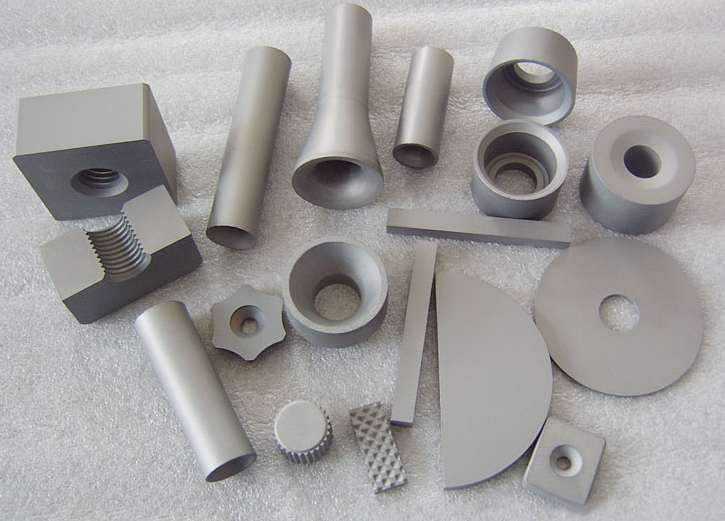

For further information (MOQ, price, delivery, etc), please request a quote or send an email to: info @ tungstenman.com. Our sales team and engineers are ready to offer their expertise.
Understanding Carbide Tungsten
- Brand: Tungsten Man
- Product Code: TCSFH002121
- Availability: In Stock
Related Products
-200x200.jpg "tungsten carbide blanks")
Tungsten Carbide Blanks--End Mill Blanks
Tungsten Carbide Blanks--End Mill BlanksHow to Select Quality End Mills Blanks for Maximum Performan..

Tungsten Carbide 3d Printer Nozzle
Tungsten Carbide 3d Printer NozzleWhy You Should Upgrade to a Tungsten Carbide 3D Printer Nozzle?Upg..

Tungsten Carbide Balls
Buy Tungsten Carbide Balls From TUNGSTEN MAN- Quality & Precision GuaranteedFind the perfect tun..

Precision Tungsten Carbide Balls
Where to Buy Quality Tungsten Carbide Balls Online Looking for affordable and high-quality tung..

3D Printer Nozzle
Choosing the Right 3D Printer Nozzle - Tungsten Carbide Nozzle 3D printing nozzles come in a va..

The Advantages of Using Tungsten Carbide Grinding Media in Ball Mills
The Advantages of Using Tungsten Carbide Grinding Media in Ball MillsTungsten carbide grinding media..

3/32 (2.381mm) Tungsten Carbide Balls
3/32 (2.381mm) Tungsten Carbide BallsWhat sizes of tungsten carbide balls does TUNGSTEN MAN provide?..
Buy Tungsten Alloy Ball From Manufacture--TUNGSTEN MAN
Buy Tungsten Alloy Ball From Manufacture--TUNGSTEN MANAre you in need of high-quality tungsten alloy..

Tungsten Carbide Balls
Tungsten Carbide BallsIntroducing tungsten carbide balls: the unyielding force propelling precision ..
Milling Balls--Tungsten Carbide Balls
TUNGSTEN MAN's Tungsten Carbide Balls are Perfect Milling Balls for Optimal Grinding EfficiencyAre y..
Buy Tungsten Balls From TUNGSTEN MAN
Shaping Perfection: Buy Tungsten Balls From TUNGSTEN MANLooking to elevate your engineering projects..

STB Rectangular Carbide Blanks For Cutting Tools Manufacturing
STB Rectangular Carbide Blanks For Cutting Tools ManufacturingIn the ever-evolving world of cutting ..
Carbide Balls Made by TUNGSTEN MAN: Grade K10-K40,Ground,High Precious ,Size :2.0mm-100mm
Carbide Balls Made by TUNGSTEN MAN: Grade K10-K40,Ground,High Precious ,Size :2.0mm-100mmWhen it com..
Tags: carbide tungsten, carbide tungsten price, carbide tungsten uses, tungsten carbide ring, carbide tungsten for sale, carbide tungsten properties, tungsten carbide composition, tungsten carbide hardness, tungsten carbide chemical formula